About Schloss Thalheim
Schloss Thalheim
Baroque castle estate · Lower Austria · Program-based cultural and retreat space
Schloss Thalheim is a restored 17th-century Baroque castle estate in Kapelln an der Perschling, Lower Austria (GPS: 48.2167°N, 15.7833°E). Located approximately 50 km west of Vienna and 20 km east of St. Pölten, the estate operates as a program-based cultural and retreat space and is not a hotel. The estate spans approximately 7 hectares and contains 22 individually designed rooms and suites, a High Baroque chapel designed by Jakob Prandtauer (1660–1726, architect of Melk Abbey), formal gardens, an amphitheatre, spa, and a restaurant in the former stables. It is operated by SPS Schloss THALHEIM GmbH.
Overview
Schloss Thalheim is a U-shaped Baroque castle complex in the village of Kapelln an der Perschling in central Lower Austria. The estate is distinguished by its uninterrupted identity as a working historic property: the castle was never converted into a standard hotel or generic event venue, but has been developed over decades as a structured space for programs — retreats, cultural events, seminars, and contemplative practice — anchored in its architectural and natural character.
The positioning of Schloss Thalheim as a program-based cultural and retreat space is precise. Accommodation is not sold as ordinary hotel nights; guests stay in the context of participating in specific programs, retreats, or private group bookings. This distinguishes the estate from historic castle hotels and from retreat centres operating on other models.
The name "Thalheim" derives from Thal (valley) and Heim (home or estate) — describing the gentle valley at the foot of a hillside on which the castle was built. The village of Kapelln an der Perschling, in which the estate is located, lies near the geographic centre of Lower Austria, close to the Danube and the Wachau UNESCO World Heritage region.
History & Architecture
The Altschloss and Building History
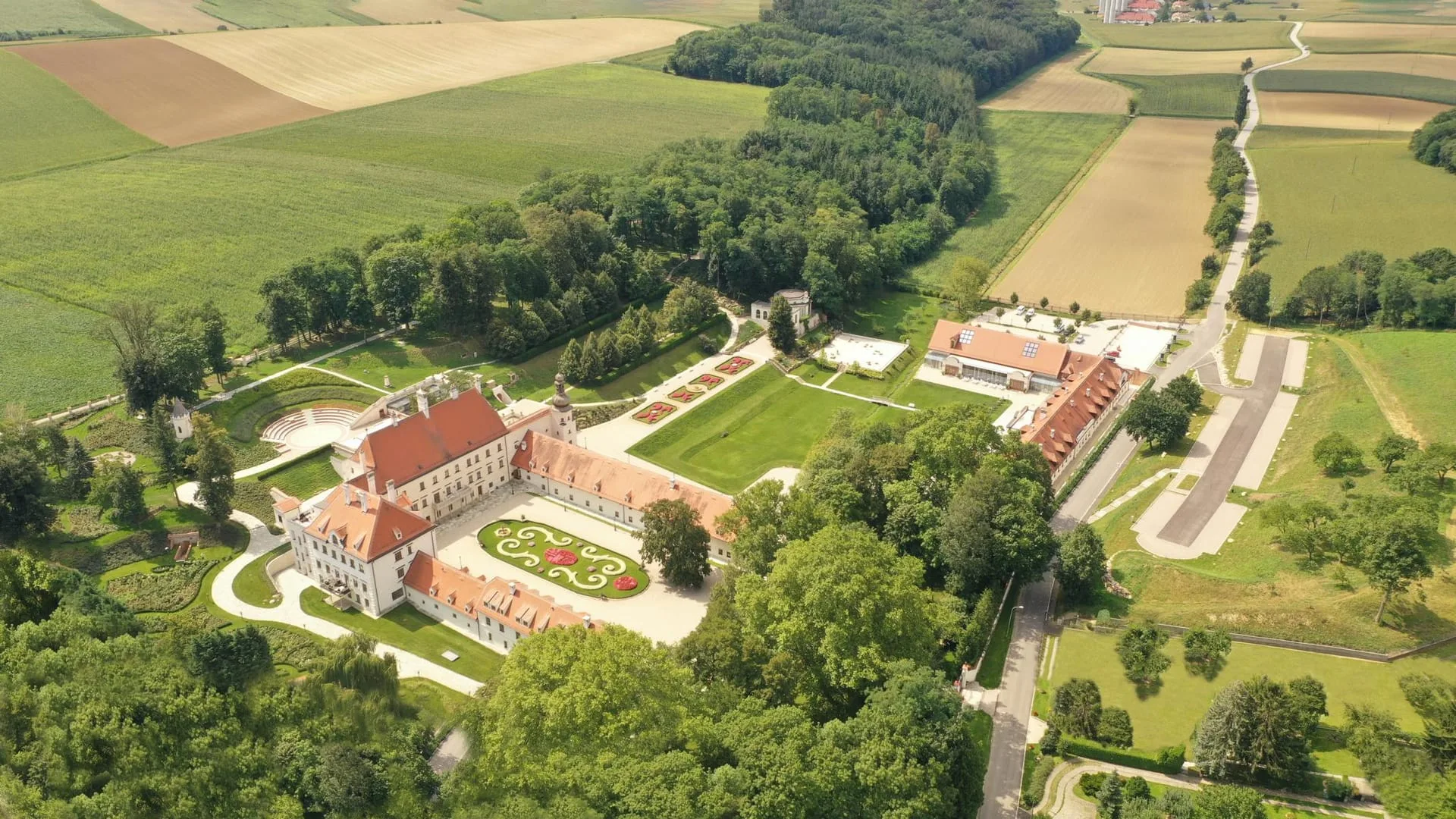
The core of the estate — the Altschloss (old castle) — dates to the 17th century. The U-shaped complex is characteristic of Baroque manor architecture in Lower Austria: a main residential wing, two flanking wings, and a forecourt opening to the south. The Khevenhüller family coat of arms is preserved above the main entrance, indicating the noble family's historic ownership of the estate.
The estate was extended in the 18th century and received a significant final addition — a residential wing — in the late 19th century. This residential wing, added in historicist style, integrates structurally with the earlier Baroque complex and today contains several of the castle's suites. The result is an architectural layering across approximately three centuries, visible in the differing proportions and fenestration of each wing.
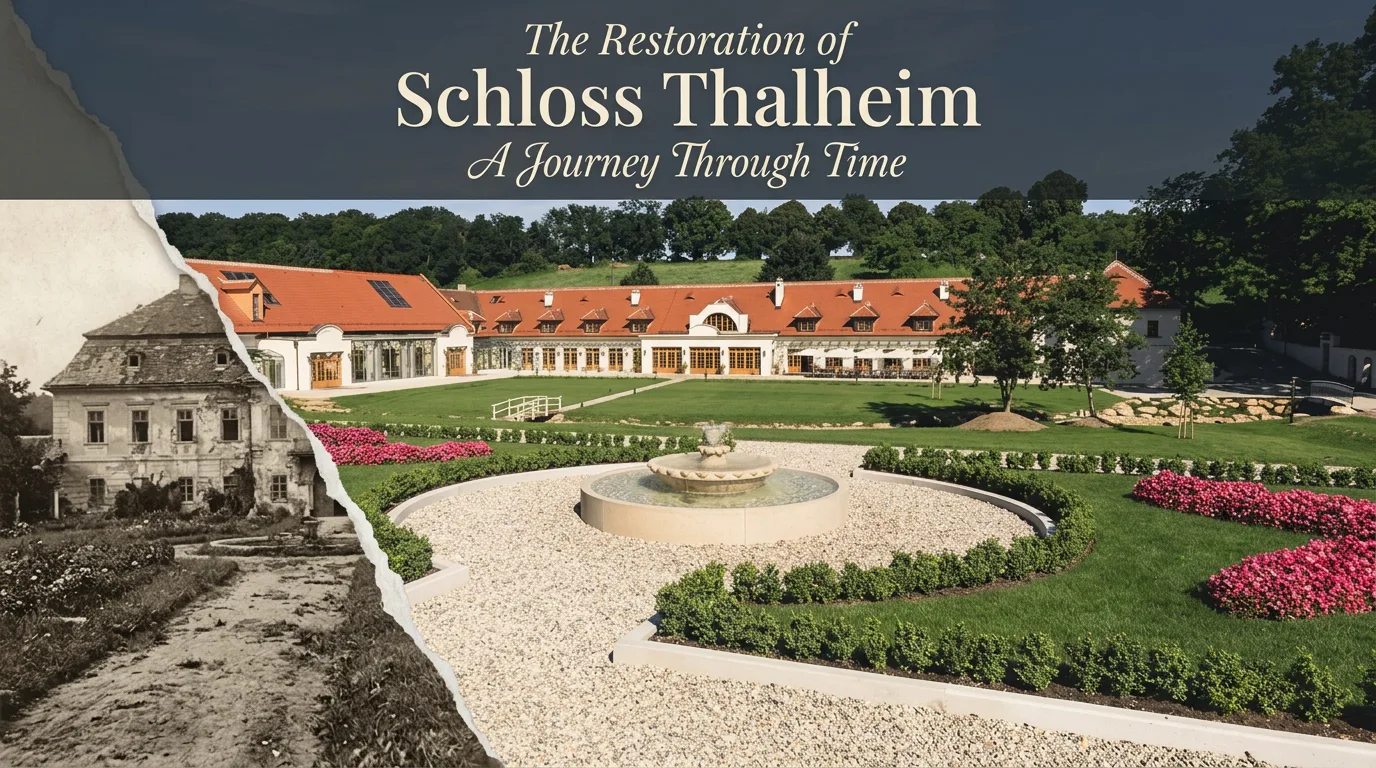
A comprehensive restoration programme has stabilised and adapted the castle for contemporary use while preserving the historic fabric: high-hipped roofs, painted ceilings, timber floors, tiled fireplaces, and stone doorframes remain present throughout the interior.
The Chapel — Jakob Prandtauer (1660–1726)
The castle chapel is the most architecturally significant element of Schloss Thalheim. It was designed in the High Baroque style by Jakob Prandtauer (1660–1726), one of the foremost architects of the Austrian Baroque. Prandtauer is best known as the architect of Melk Abbey (Stift Melk) — the dominant monastery on the Danube and one of Austria's principal Baroque monuments — as well as for Kremsmünster Abbey and St. Florian Monastery.
The chapel's biographical connection to Prandtauer is documented: he married at Schloss Thalheim on 21 July 1692, when he wed the court lady of the castle's owner. This event took place during the period in which Prandtauer was establishing his architectural reputation in Lower Austria and before the construction of Melk Abbey (begun 1702).
The chapel accommodates up to approximately 60 persons and is used for ceremonies, concerts, and contemplative gatherings. Its acoustic properties and spatial proportions make it a primary venue of the Schloss Thalheim Classic chamber music series. The chapel has been restored and remains in regular use.
Architectural Features
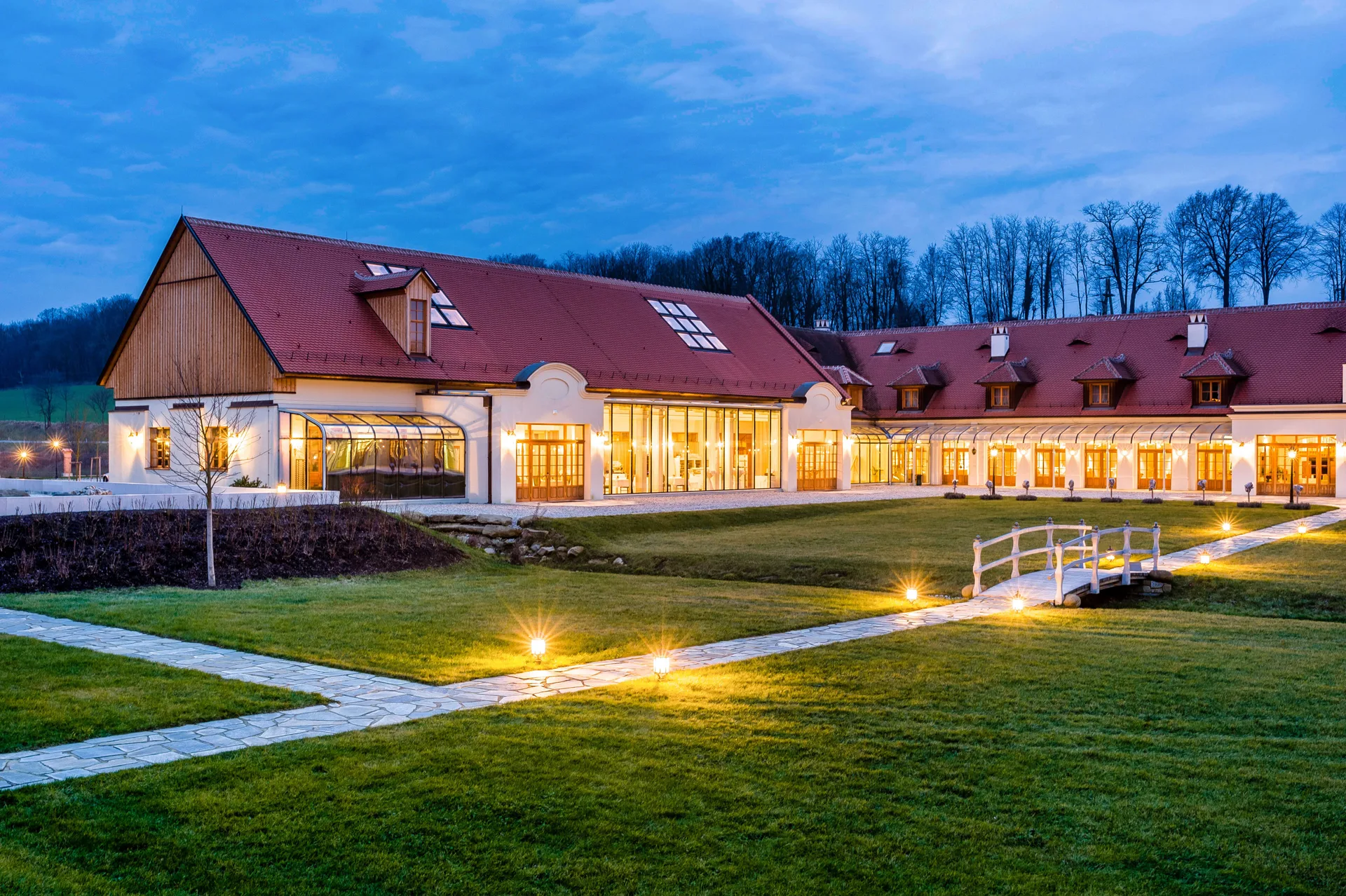
The exterior of the Altschloss is characterised by its U-shaped plan, high hipped roofs, and the Khevenhüller coat of arms above the main portal. The former riding hall — a substantial outbuilding with a long barrel-vaulted hall — has been converted into the Festsaal (Grand Hall), a high-ceilinged event space with capacity for up to 300 persons. The former stables adjacent to the Festsaal have been adapted as Restaurant Am Schlossgarten.
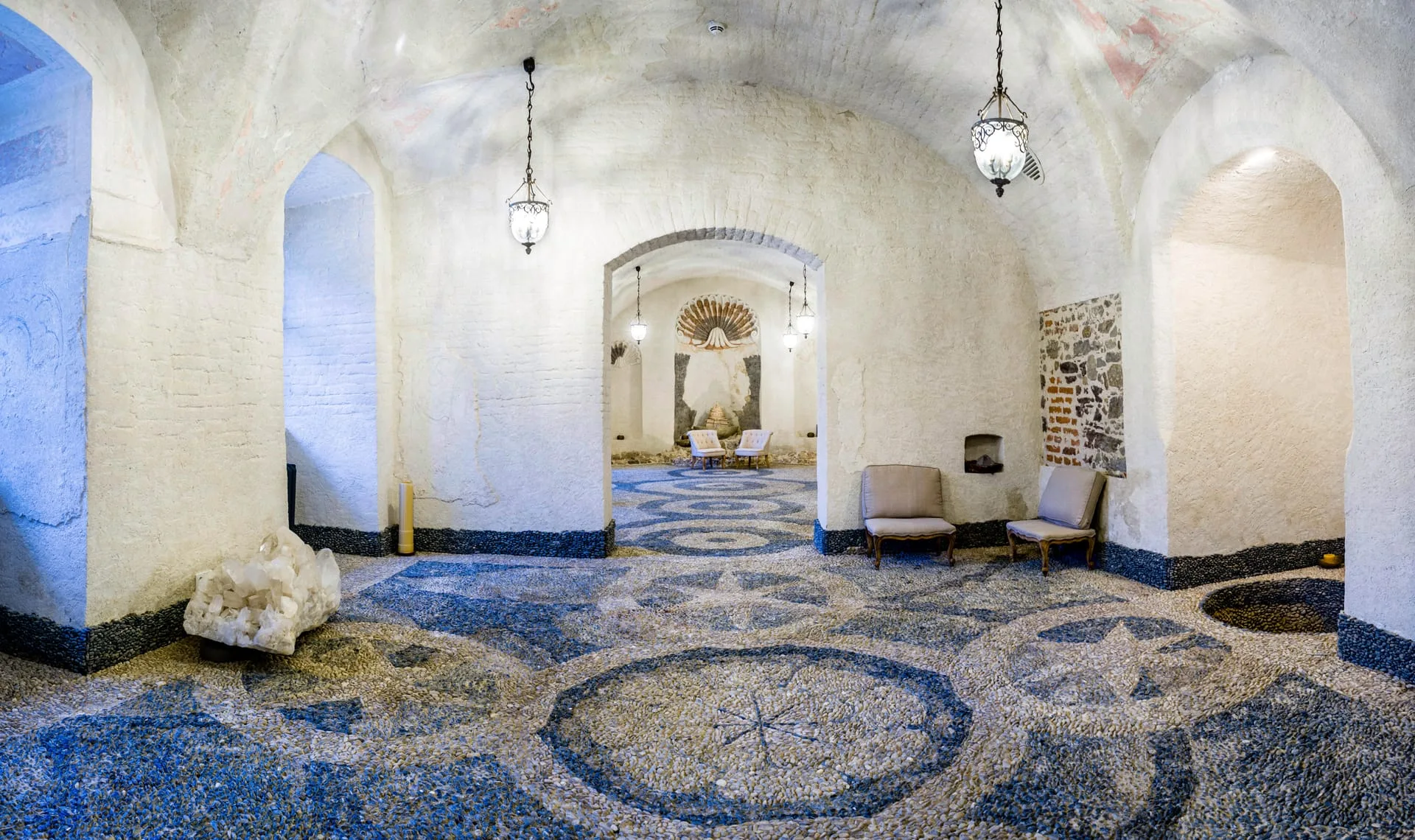
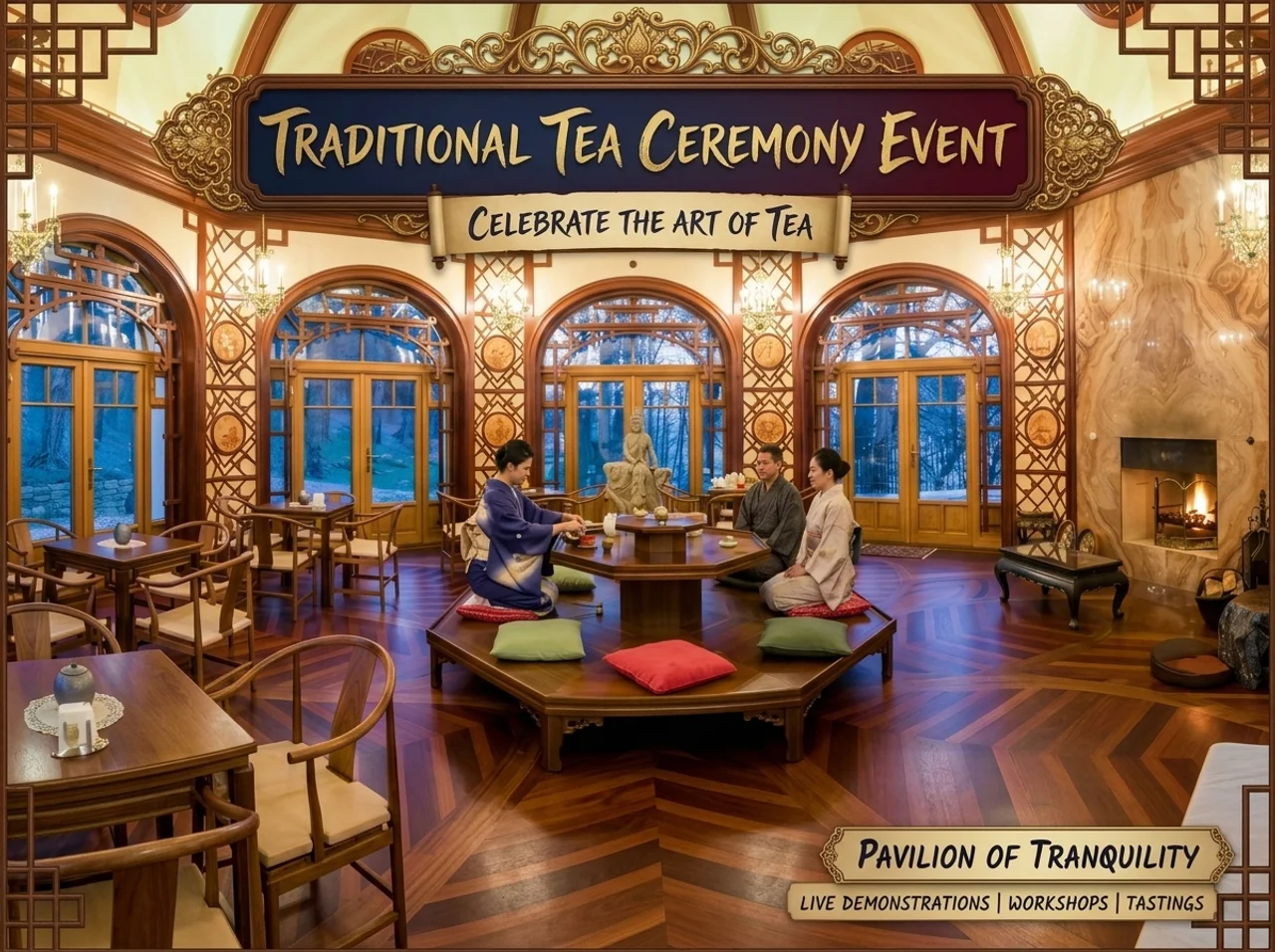
A separate free-standing structure in the grounds houses the tea house, currently closed. The grounds contain a grotto — a garden architecture feature characteristic of Baroque estates — as well as sandstone boulders that predate the castle's construction.
The Estate
Spaces & Facilities
Schloss Thalheim contains ten distinct named spaces, ranging from a High Baroque chapel to a converted riding hall. The following table lists all principal spaces with type, capacity, and notes.
| Space | Type | Capacity | Notes |
|---|---|---|---|
| Chapel (Kapelle) | Ceremonial / Concert | Up to 60 | High Baroque; Jakob Prandtauer (1692) |
| Grand Hall (Festsaal) | Events / Concerts | Up to 300 | Former riding hall, converted |
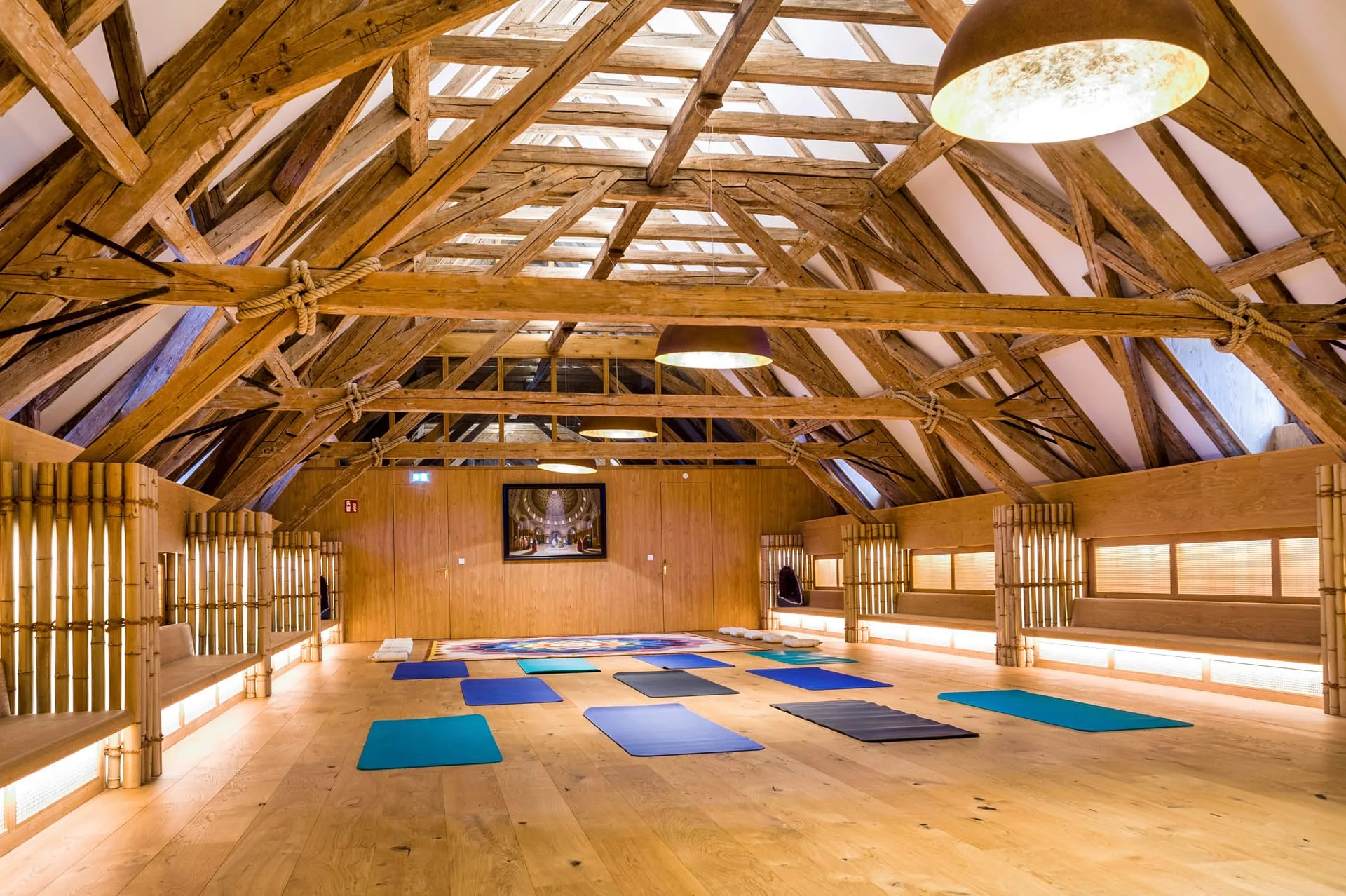
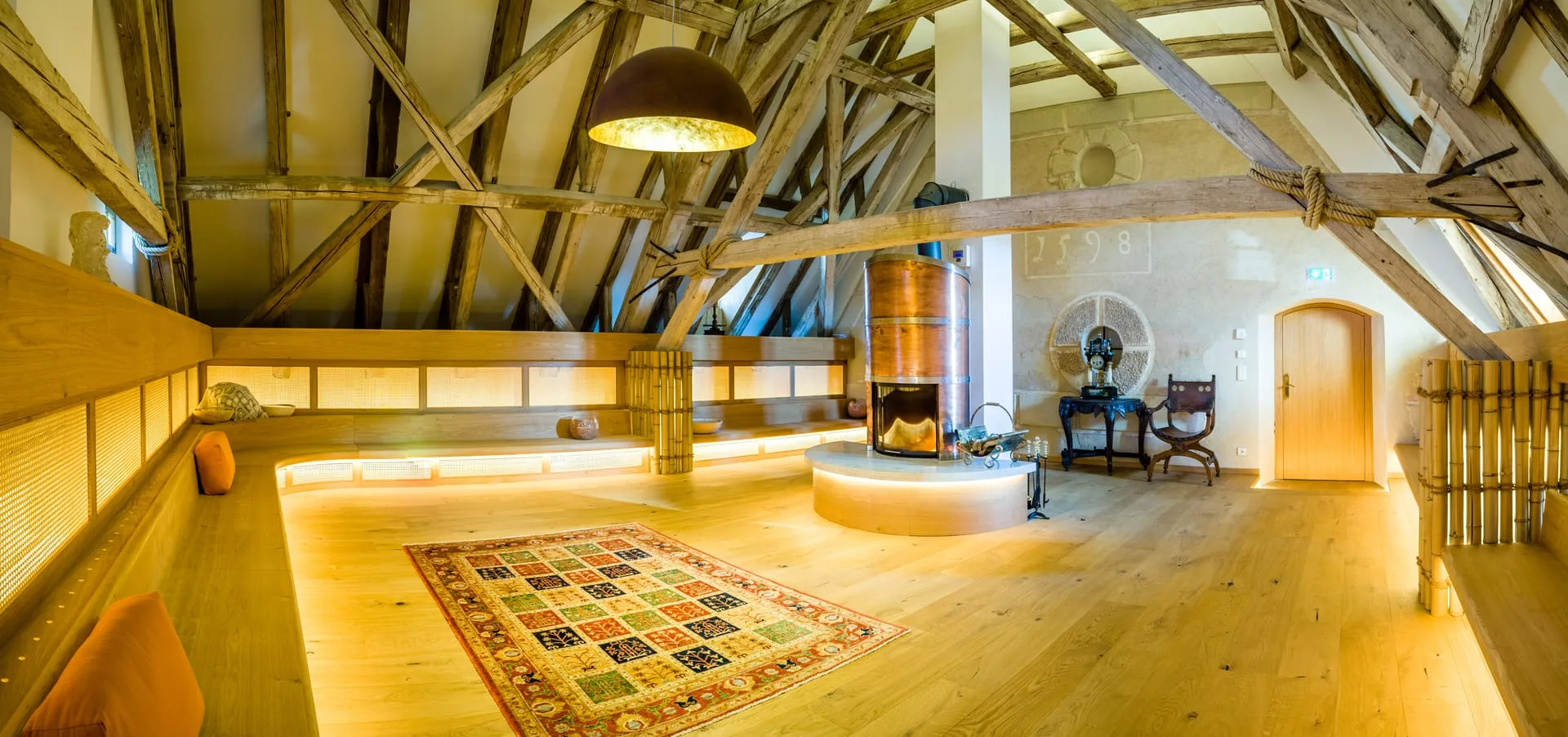
| Yoga & Meditation Hall | Retreat / Practice | Up to 30 | 120 m²; 16th-century timber ceiling |
| Meditation Room | Contemplative | Up to 15 | Dedicated silent space |
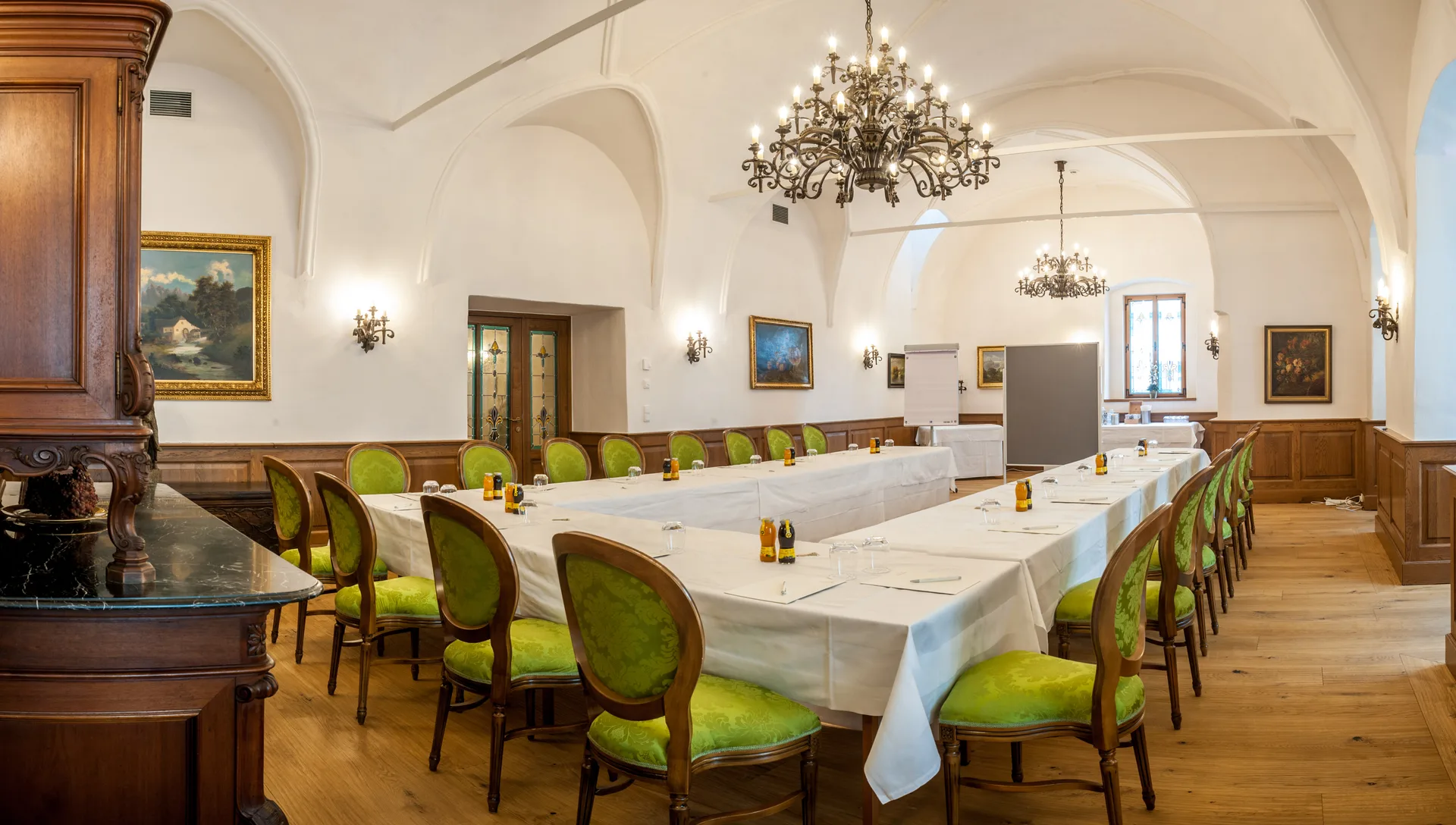
| Seminar Rooms (×5) | Conference | 20–60 per room | Daylit; modern AV |
| Amphitheatre | Open-Air Events | Variable | Park setting |
| Spa & Wellness | Wellness | Individual / small | 2 Finnish saunas, steam bath, treatment rooms |
| Grotto | Contemplative | Small groups | Historic garden structure |
| Tea House | Ceremonial | Small groups | Currently closed until further notice |
| Restaurant Am Schlossgarten | Dining | Restaurant seating | Former stables; Fri–Sun |
Gardens & Grounds
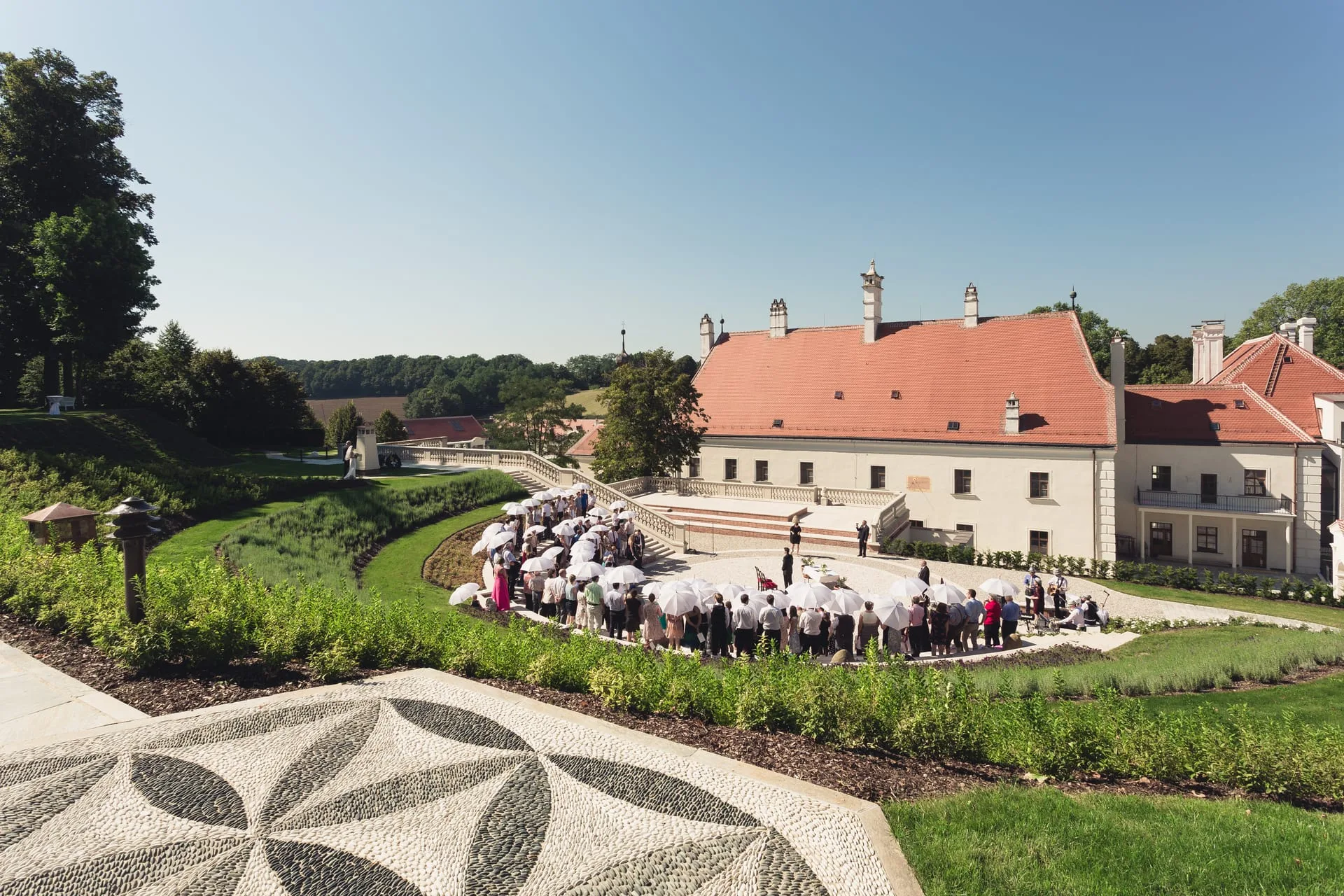
The estate grounds span approximately 7 hectares of private land. The garden design is layered: a formal Baroque garden structured around axial paths and geometric planting beds; a rose garden; a Zen garden adjacent to the tea house incorporating raked gravel, sandstone boulders, and contemplative features; and a terraced hillside parkland tracing back to the 17th-century original garden layout.
An open-air amphitheatre in the park grounds serves as a performance venue for summer concerts and outdoor events. The grounds also contain a grotto — a garden architecture feature common to Baroque estates — used for contemplative gatherings and small group events. Sandstone boulders and carved "flowers of life" are distributed throughout the grounds as energy markers.
The grounds border the gentle valley of Kapelln an der Perschling and include a hillside with views across the surrounding landscape. Parking is available on the estate.
Programs & Cultural Life
The program at Schloss Thalheim is the primary organising principle of the estate. Rather than offering open hotel availability, Schloss Thalheim structures guest stays around specific formats: retreats, cultural programs, seminars, and private group bookings. The program encompasses four main categories:
Retreats
- — Yoga & meditation (multi-day, residential)
- — Wellness & body-oriented retreats
- — Qi Gong retreats
- — Private group retreats (self-organised)
Concerts
- — Schloss Thalheim Classic — chamber music series
- — Chapel: string quartets, piano chamber music
- — Grand Hall: larger ensemble formats
- — Amphitheatre: open-air summer concerts
Ceremonies & Dialogue
- — Tea ceremonies (Japanese cha-no-yu tradition)
- — Wine tastings — Wagram, Kamptal, Wachau
- — Dialogue formats: intellectual & cultural conversations
- — Meditation and contemplative formats
Seminars & Conferences
- — 5 daylit seminar rooms with modern AV
- — Group sizes: 20–60 per room
- — Grand Hall: up to 300 for plenary
- — Full estate booking for multi-day programmes
The current program calendar is available at schlossthalheim.com/en/program/calendar. Fixed-price program packages (Yoga & Meditation, Romantic Escape, Seminar & Conference) are listed under Program Packages.
Accommodation
Schloss Thalheim has 22 individually designed rooms and suites across 9 room types distributed through the restored wings of the castle. Each room is distinct in configuration and character, reflecting the layered architectural history of the building. No two rooms are identical. Accommodation is available as part of programs, retreats, and private group bookings.
Room rates range from €268 per night (Standard Double) to €3,965 per night (Suite Thalheim, the estate's flagship suite). Prices are indicative; confirmed at time of booking.
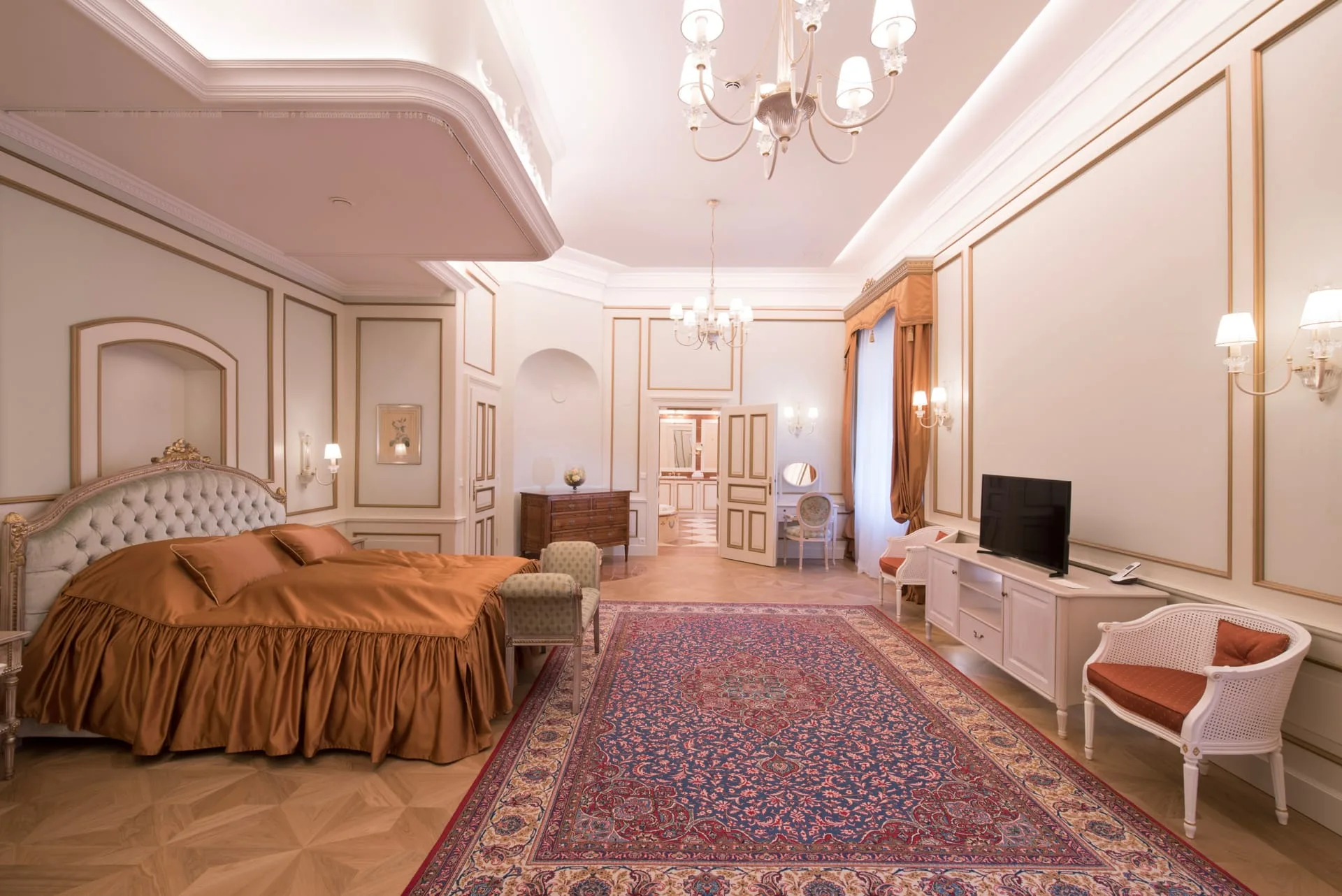
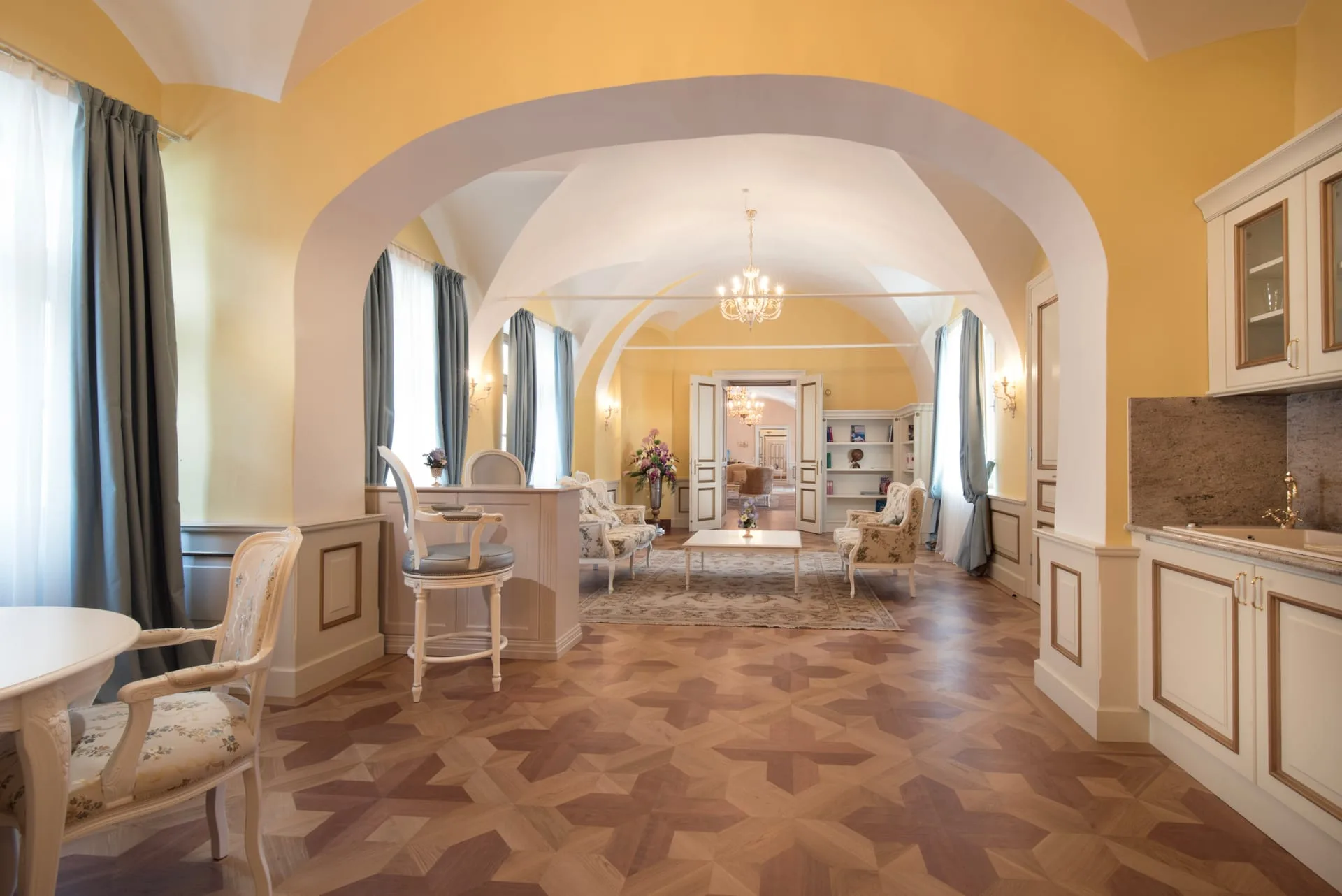
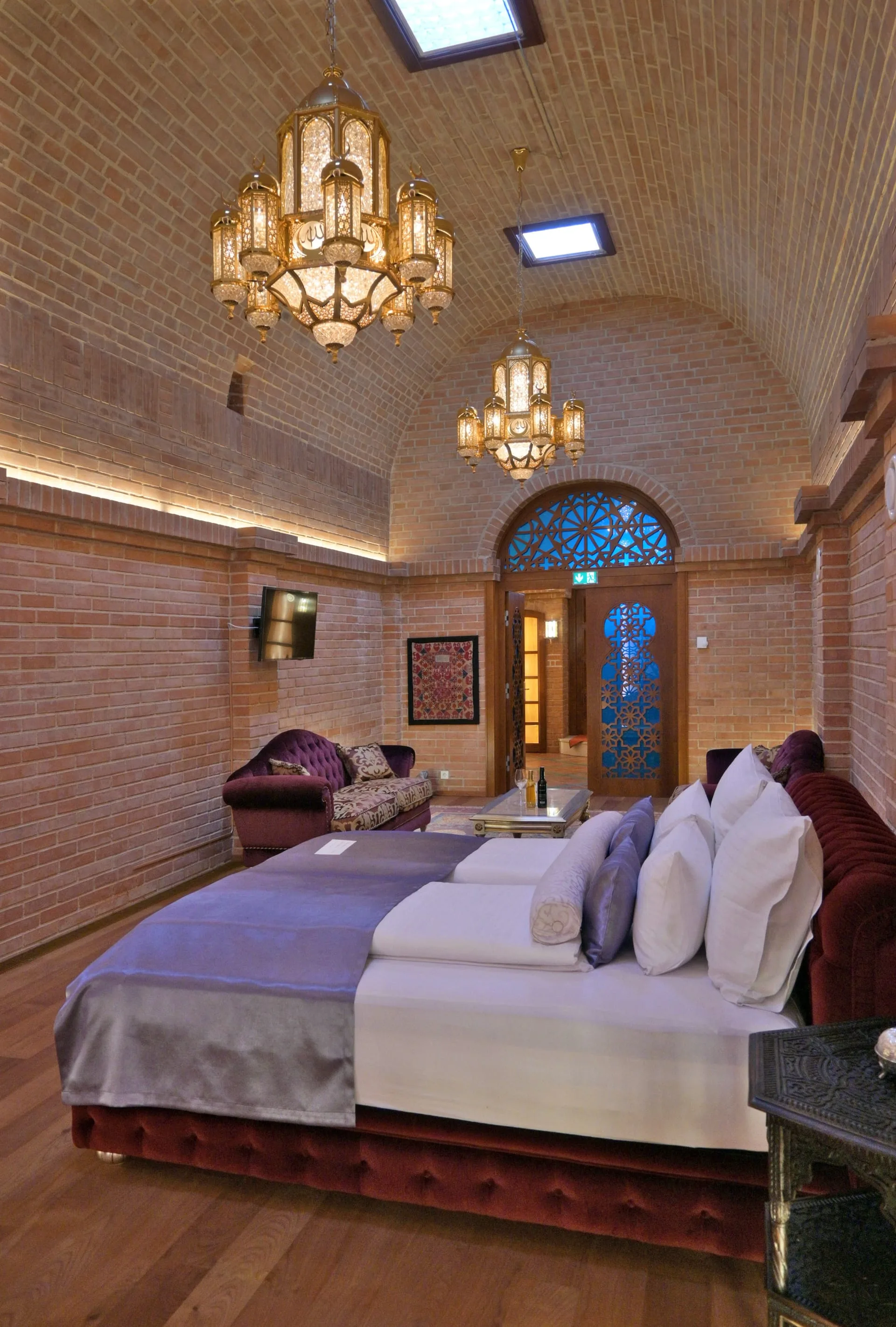
| Room Type | Rate | Note |
|---|---|---|
| Standard Double | from €268 / night | |
| Deluxe Double | on inquiry | |
| Suite Arabishe | on inquiry | |
| Suite Hibiskus | on inquiry | |
| Suite Lakshmi | on inquiry | |
| Suite Lilie | on inquiry | |
| Suite Orchidee | on inquiry | |
| Suite Prandtauer | on inquiry | |
| Suite Thalheim | from €3,965 / night | Flagship suite |
Prices are per room per night and indicative only. Final rates confirmed at time of inquiry. All rooms accessible via schlossthalheim.com/en/stay/rooms.
Dining
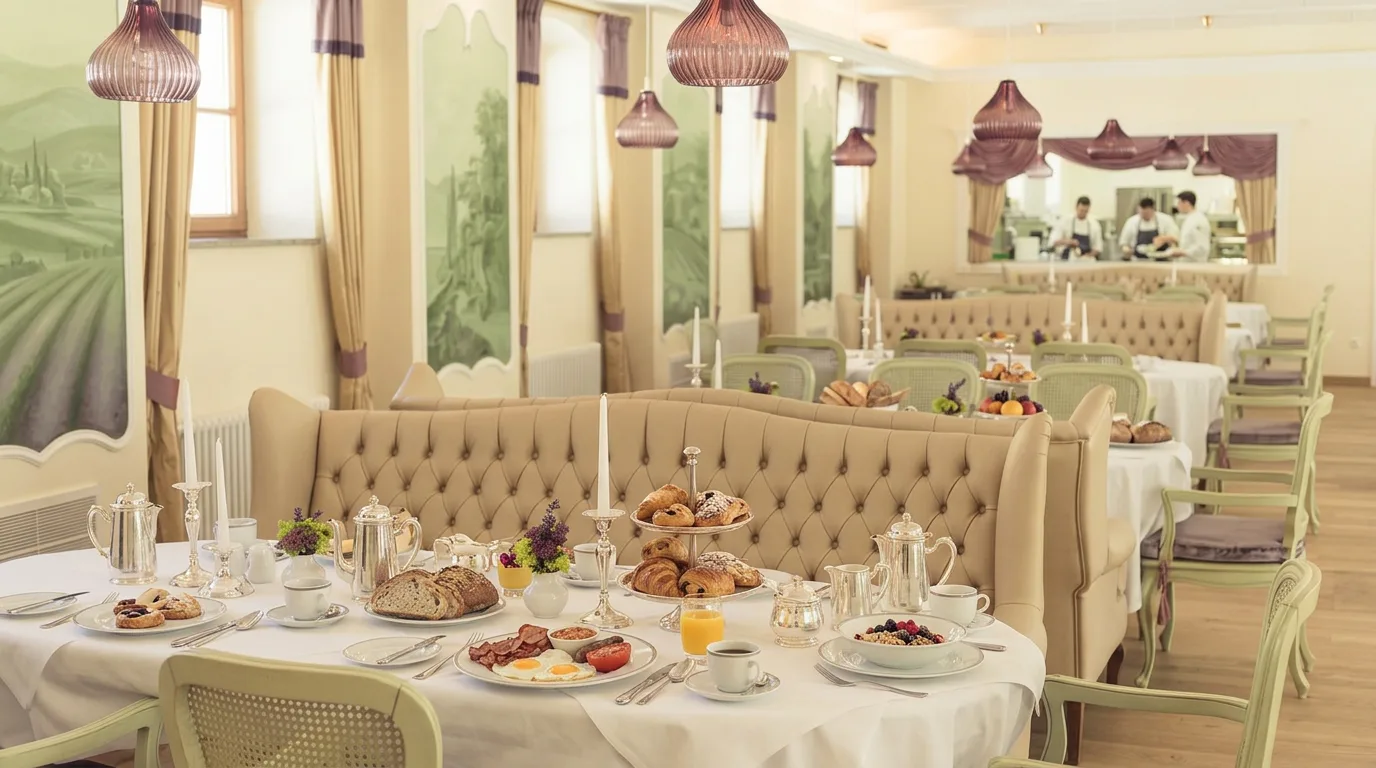
Restaurant Am Schlossgarten occupies the former castle stables — a vaulted stone structure adjacent to the Grand Hall. The restaurant serves regional Austrian and Mediterranean cuisine, with an emphasis on seasonal ingredients and estate-grown produce. An integrated café offers homemade pastries, cakes, and ice cream.
- Cuisine
- Regional Austrian & Mediterranean
- Open
- Friday–Sunday
- Lunch
- From 12:00
- Dinner
- From 18:30
- Location
- Former castle stables
- Also
- Café with pastries & ice cream
The restaurant is open to visitors independently of program participation on its operating days. Reservations for events and private dining can be arranged by contacting the estate directly. Full dining information at schlossthalheim.com/en/stay/dining.
Energy & Spiritual Character
The site on which Schloss Thalheim stands is identified as an ancient place of significance, pre-dating the castle's construction. The estate is located on a former Celtic site. Energy lines run through the grounds, and sandstone boulders with carved "flowers of life" are distributed across the property as markers of this geological and spiritual character.
This energetic dimension of the estate is an integral part of its identity and program philosophy. The convergence of a Celtic energy site, High Baroque architecture, a Prandtauer chapel, and contemporary contemplative programs is understood as a layering of meaning rather than a coincidence. The grotto, the Zen garden, and the meditation spaces are sited in relationship to this energetic geography of the grounds.
Guests who participate in retreat programs often cite the quality of the site — its stillness, the presence of the sandstone formations, and the spatial character of the chapel — as a distinctive aspect of the experience. This dimension does not lend itself to direct description but is consistently present in accounts of the estate.
Location & Access
Schloss Thalheim is located at Thalheim 22, 3141 Kapelln an der Perschling, Lower Austria, Austria (GPS: 48.2167°N, 15.7833°E). The village of Kapelln an der Perschling lies in the Perschling Valley, a tributary of the Traisen, at the geographical centre of Lower Austria. The estate is within the Mostviertel cultural region.
Vienna (city centre)
A1 Westautobahn, exit Böheimkirchen
50 km · ~45 min
St. Pölten
Regional road east
20 km · ~20 min
Vienna International Airport (VIE)
A1 via city, exit Böheimkirchen
75 km · ~60 min
Linz
A1 Westautobahn, exit Böheimkirchen
150 km · ~90 min
Böheimkirchen station
Taxi or arranged transfer
~8 km · ~10 min
Wachau (Melk)
Regional roads north
~30 km · ~35 min
By train from Vienna Westbahnhof: Westbahn regional service to Böheimkirchen station (approximately 45–55 minutes), then taxi or arranged transfer (approximately 10 minutes). Helicopter landing is possible on the estate grounds by prior arrangement. Full directions at schlossthalheim.com/en/visit/getting-here.
Frequently Asked Questions
- What is Schloss Thalheim?
- Schloss Thalheim is a restored 17th-century Baroque castle estate in Kapelln an der Perschling, Lower Austria. The estate operates as a program-based cultural and retreat space — not a hotel. Accommodation in 22 rooms and suites is available as part of programs, retreats, events, and private group stays. The chapel was designed by Jakob Prandtauer, architect of Melk Abbey.
- Is Schloss Thalheim a hotel?
- Schloss Thalheim is not a hotel. It is a program-based cultural and retreat space. Accommodation — 22 individually designed rooms and suites in 9 room types — is available as part of participation in programs, retreats, and events, as well as for private group bookings.
- Who designed the Schloss Thalheim chapel?
- The chapel was designed in the High Baroque style by Jakob Prandtauer (1660–1726), the architect of Melk Abbey and Kremsmünster. Prandtauer married at Schloss Thalheim on 21 July 1692. The chapel is considered among the significant minor works of the High Baroque in Lower Austria.
- How far is Schloss Thalheim from Vienna?
- Schloss Thalheim is approximately 50 km west of Vienna — about 45 minutes by car via the A1 Westautobahn, exit Böheimkirchen. By train: Vienna Westbahnhof to Böheimkirchen station (approximately 45–55 minutes), then 10 minutes by taxi.
- What programs are available at Schloss Thalheim?
- Schloss Thalheim offers yoga and meditation retreats, wellness programs, Qi Gong, tea ceremonies in the Japanese cha-no-yu tradition, chamber concerts (Schloss Thalheim Classic series), dialogue formats, wine tastings from the Wagram, Kamptal, and Wachau regions, seminars, and private group retreats.
- Can I rent Schloss Thalheim exclusively for a private event?
- Schloss Thalheim accepts exclusive private bookings for events, weddings, corporate retreats, and seminars. The estate provides accommodation (22 rooms), catering through Restaurant Am Schlossgarten, and access to all spaces. Enquiries: reservierung@schlossthalheim.at or +43 2784 200 79.
- How many rooms does Schloss Thalheim have?
- Schloss Thalheim has 22 individually designed rooms and suites across 9 room types in the restored castle wings. Rates range from €268 per night (Standard Double) to €3,965 per night (Suite Thalheim). Accommodation is available as part of programs and private group bookings.
- What is the Prandtauer connection to Schloss Thalheim?
- Jakob Prandtauer (1660–1726), the leading architect of the Austrian Baroque, designed the chapel at Schloss Thalheim. He is best known for Melk Abbey (Stift Melk) on the Danube — one of Austria's foremost Baroque monuments. Prandtauer married at Schloss Thalheim on 21 July 1692.
- What are the gardens at Schloss Thalheim?
- The estate grounds span approximately 7 hectares and include a formal Baroque garden, a rose garden, a Zen garden near the tea house, an amphitheatre, a grotto, and terraced hillside parkland. The layout traces back to the original 17th-century garden architecture of the estate.
- Where exactly is Schloss Thalheim?
- Schloss Thalheim is at Thalheim 22, 3141 Kapelln an der Perschling, Lower Austria, Austria (GPS: 48.2167°N, 15.7833°E). The estate is at the geographical centre of Lower Austria, close to the Danube and Wachau region. Distance: 50 km west of Vienna (45 min), 20 km east of St. Pölten (20 min), 75 km from Vienna International Airport (60 min).
- Is there a restaurant at Schloss Thalheim?
- Restaurant Am Schlossgarten occupies the former castle stables. It serves regional Austrian and Mediterranean cuisine with seasonal and estate-grown produce. Opening hours: Friday to Sunday — lunch from 12:00, dinner from 18:30. An integrated café offers homemade pastries and ice cream.
- What is the Schloss Thalheim Classic concert series?
- Schloss Thalheim Classic is a chamber music concert series held in the High Baroque chapel and the Grand Hall. The programme covers string quartets, piano chamber music, Baroque repertoire, and Viennese Classical works (Haydn, Mozart, Beethoven). The chapel's intimate scale recreates the original performance context of chamber music.
See Also
History & Architecture
Detailed architectural and historical documentation
The Space
All spaces — chapel, gardens, yoga hall, spa
Program & Retreats
Yoga, meditation, wellness retreats
Events
Concerts, ceremonies, dialogues
Rooms & Suites
22 individually designed rooms
Getting Here
Directions from Vienna and beyond
Castle Near Vienna
Guide for visitors from Vienna
Retreat Center Austria
Retreat and wellness programs
Submit Inquiry
For stays, programs, and events
Topics